Tracks and Towpaths: Culture-Rich Journeys on Rails and Water

Today we explore heritage railways paired with historic canals, celebrating slow movement, local character, and stories that linger. Imagine steam drifting over a stone viaduct while a narrowboat slides beneath an ancient aqueduct; conversations with lock keepers, station volunteers, and bakers; and itineraries shaped by curiosity. Share your favorite rail-and-canal pairings, subscribe for fresh route ideas, and join a community that values patient discovery, generous storytelling, and journeys where the landscape guides the pace.

Where Steel Meets Water: Crafting the Perfect Route

Choosing Regions That Sing with Story

Start with clusters where steam heritage thrives beside navigable waterways. In Wales, narrowboats glide toward a UNESCO-listed iron aqueduct while heritage trains whistle across slate country. In Scotland, the Falkirk Wheel unites canals near the heritage line at Bo’ness. In England, pair the Kennet and Avon’s mellow locks with the Avon Valley Railway. Select places where transfers are short, paths are waymarked, and each day offers meaningful contrasts without frantic travel.

Timing Your Journey for Rhythm and Light

Seasonality shapes everything. Spring brings kingfishers and fresh leaves mirrored in still canals, while summer extends days for long towpath ambles. Autumn gilds embankments and turns steam into visible silver ribbons; winter’s quieter schedules reward planners who cherish empty platforms. Check maintenance closures for locks and lines, note festival weekends that add color, and align boat hire times with train timetables. Build slack into mornings and evenings so serendipity, not rush, sets your pace.

Tickets, Boats, and Flexible Passes

Combine rover tickets on heritage lines with day permits or multi-day hires on canals. Some railways offer family or enthusiast passes, while local canal trusts advise on short, scenic sections perfect for beginners. Book popular steam services early, especially dining or observation cars. If hiring a narrowboat, factor fueling, water points, and lock training into your schedule. Otherwise, consider skippered day trips, community boats, or towpath walks that mirror the railway route without logistical complexity.

From Coal to Culture: The Great Conversion

Picture barges heaped with coal inching through misty cuttings, then imagine today’s narrowboats ferrying families, artists, and historians. Industrial necessity seeded these corridors; cultural curiosity keeps them alive. Freight gave way to festivals, station gardens, and educational rides that weave context into pleasure. Learning how waterways and branch lines coordinated schedules deepens appreciation for the choreography that once powered factories, households, and cities, now powering learning, volunteering, and shared pride.

Volunteers Who Stitched Broken Waterways

Many canals reopened because everyday people cleared debris, rebuilt locks, and lobbied tirelessly. Visit a restoration site to see hand tools beside modern winches, hear how wildlife rebounded once water flowed cleanly, and witness communities claiming custody of public space. Towpath work parties often welcome visitors, explaining how a single gate repair can revive miles of navigation. Their stories illuminate the difference between nostalgia and stewardship, between sentiment and sustained commitment.

Stations Saved by Stubborn Hearts

Heritage railways frequently began with a letter, a kitchen-table meeting, and a shared refusal to let a line die. Volunteers relaid track, painted signal boxes, and coaxed life from quiet depots. Listen for tales of the first service’s nervous whistle, the day the café reopened, or the moment an old locomotive steamed again. These are living museums, yet they breathe because people keep showing up, week after week, with oilcans and hope.

Slow Encounters with Place

Pairing trains and canals invites deep, unhurried contact with communities. You might step off a carriage into a market square scented with fresh bread, then spend the afternoon tracing a towpath to a village pub where locals recall legendary floods and winter stoppages. Walking amplifies details: hand-forged railings, stone setts polished by decades, and hedgerows busy with finches. Slow travel dissolves itinerary anxiety, replacing it with conversations, serendipitous turns, and friendships forged over maps and mugs.

Landscapes and Wildlife Along the Corridor
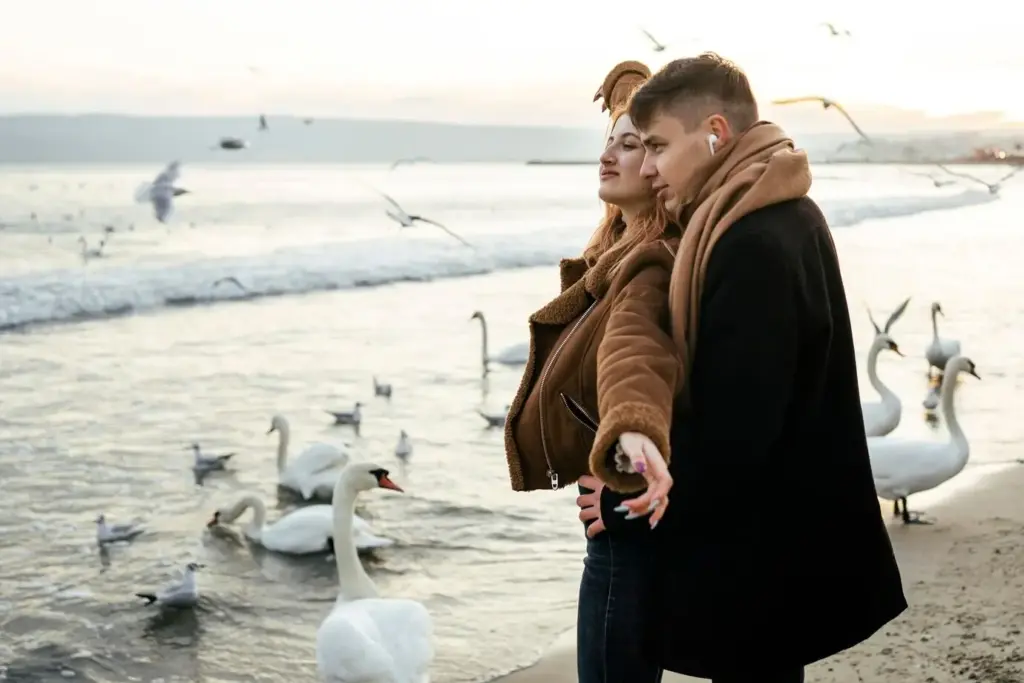
Rails and canals carve ecological ribbons through countryside and town. Morning mist lifts to reveal herons poised like statues, while embankments bloom with wildflowers the trains once seeded inadvertently. Viaducts frame distant hills, and cuttings create microclimates where ferns thrive. Keep cameras ready but tread gently. These corridors are homes first, viewpoints second. Learn local species, avoid startling nesting birds, and celebrate the everyday wonder of water meeting steel in companionable silence.

Family-Friendly Adventures Without Rush

These journeys invite all ages to participate, learn, and play. Children count locks, wave at passing crews, and watch signal arms rise like friendly salutes. Grandparents share memories of steam’s working days or canals iced for winter walks. Stations offer gentle gradients and benches; boats offer simple tasks that feel heroic. Plan short stages, frequent treats, and plentiful curiosity stops. Let questions lead and let schedules bend toward laughter without guilt.

Logistics That Keep the Magic Flowing

{{SECTION_SUBTITLE}}

Linking Rails to Water with Simple Steps
Map walking paths between heritage platforms and canal access points. Many towns post wayfinding signs that thread parks and alleys into delightful shortcuts. If distances stretch, consider foldable bicycles or community-shared e-bikes, always yielding to pedestrians. In rural places, pre-book taxis and verify return options. Snapshot bus timetables at stops. Small bridges, side gates, and permissive paths often provide elegant links the big maps forget, saving time while adding character.

Bags, Bikes, and Smart Transfers

Lighten your load with station left-luggage, hotel holds, or transfer services that shuttle bags between inns. On boats, store weight low and secure bikes carefully. Keep valuables dry in roll-top bags; towpaths can surprise with puddles and playful rain. Match transfer windows to train frequency, not optimism. A well-planned handoff grants you extra minutes for a pastry, a photograph, or a spontaneous chat that becomes the day’s favorite memory.

Canal-Side Menus and Regional Comforts

Seek kitchens that champion local farms and old recipes. Try oatcakes near the Potteries, doorstep sandwiches in Yorkshire, and bara brith with salted butter in Wales. Ask about seasonal specials tied to harvests or fishing windows. Conversation with landlords often unlocks hidden towpath art or a sunset curve only regulars know. Food fortifies legs and spirits, turning miles into stories that your palate will remember long after maps are folded.

Picnics from Fields to Carriage Tables

Gather picnic supplies from farm shops and Saturday markets—ripe tomatoes, crumbly cheeses, crusty loaves, and a jar of local chutney. A carriage table becomes a movable feast with a simple cloth and reusable cups. On towpaths, choose quiet spots away from nesting banks and carry every crumb out. Share recipes with fellow travelers you meet, trading flavors and tips like postcards. Simple, generous food keeps curiosity bright and steps light.

Dining Cars, Cream Teas, and Nostalgia Done Right

If a heritage line runs dining services, book early. Candlelit cutlery glinting beside polished wood transforms dinner into theater, with fields drifting past like soft backdrops. Afternoon cream teas turn into gentle ceremonies: jam first or cream first sparks laughter, not debate. Remember allergies and accessibility when reserving. When hospitality respects detail and difference, nostalgia becomes inclusive, not exclusive, allowing everyone to relish the romance without sacrificing comfort or care.
Vemuzefaxulotarozu
Privacy Overview

This website uses cookies so that we can provide you with the best user experience possible. Cookie information is stored in your browser and performs functions such as recognising you when you return to our website and helping our team to understand which sections of the website you find most interesting and useful.